

Handan Darun Fastener Manufacturing Co., Ltd.: Your Professional Carton Steel Chemical Anchor Manufacturer!
The company started to set foot in the fastener industry in 1999, mainly engaged in expansion bolt products. In 2005, the company built its own factory building, covering an area of about 1,000 square meters, and put into operation the first batch of expansion bolt production equipment, and Taihang standard parts were formally established.


Why choose us?
Advanced equipment
Handan Darun Fastener Manufacturing Co., Ltd. is a modern fastener manufacturing and sales enterprise specializing in R&D, manufacturing and sales. It has advanced technical equipment and a strict product quality assurance system. It is committed to creating efficient, high-end and high-quality products and services.
Sales market
All domestic cities above the prefecture level have distribution warehouses, with an annual production and sales volume of 40,000 tons. Overseas South Korea, Canada, Dubai, and American countries have a large sales volume.
Quality control
The company has designated steel mills from the beginning of raw material selection, and the company produces all parts by itself, including surface treatment. The quality inspection department of every link completes in accordance with the testing standards, ensuring the stability and consistency of the products.
Suitability for a range of materials
Chemical anchors can be used in all masonry types without the risk of damage or dislodging. They don’t expand or drill into the substrate, risking cracks or fissures that affect load capacities or structural integrity.
Larger embedding depths
Resin can be used with studs in fixed lengths, and bar cut to sizes to suit the application and load. This allows a higher flexibility in embedding depths.
Close-edge anchoring
Securing rails or stairs close to edges can be a challenge with mechanical anchors. Chemical anchors remove risks in base material damage and ensure high load capacities.
Higher holding strength than the base material
Mechanical anchors rely on the base material for holding capacity. Chemical anchors on the other hand offer higher strength, due to the bonding of resin and the metal element covering a larger area, and filling holes in the substrate.
Better chemical, heat and corrosion resistance
Specially formulated resins shield studs, rebar and rods from external factors like moisture, corrosive chemicals and expansion and contraction rates that come with temperature changes. This leads to higher strength and durability.
Product Specifications
|
Size: |
M8-M24 5/16"-1" |
|
Material: |
35K Steel |
|
Surface: |
Blue White Zinc |
|
Standard: |
GB DIN BS ASTM |
|
Product Composition: |
Bolt, glass cement tube. |
Application of Carton Steel Chemical Anchor


Infrastructure development
Global infrastructure expansion—including roads, bridges, railways, tunnels, and public transit systems—relies heavily on robust anchoring technology. Carbon steel chemical anchors are ideal for these large-scale projects due to their superior load-bearing capacity, resistance to environmental stress, and ability to bond effectively with concrete substrates.
Growing demand in the construction industry
The construction sector remains the largest consumer of chemical anchoring systems. From residential buildings to high-rise commercial complexes, chemical anchors ensure safe and durable connections between structural elements, facades, MEP (mechanical, electrical, plumbing) systems, and safety equipment.
Industrial applications
Industries such as manufacturing, energy (oil & gas, renewables), mining, and power generation require anchoring solutions capable of withstanding extreme operational conditions, including vibration, thermal cycling, and corrosive environments.
Growth in renovation & retrofitting projects
With increasing emphasis on sustainability and building lifecycle extension, renovation and retrofitting have become major drivers of chemical anchor demand. Older structures often lack adequate anchoring points for modern equipment, making chemical anchors a preferred solution.
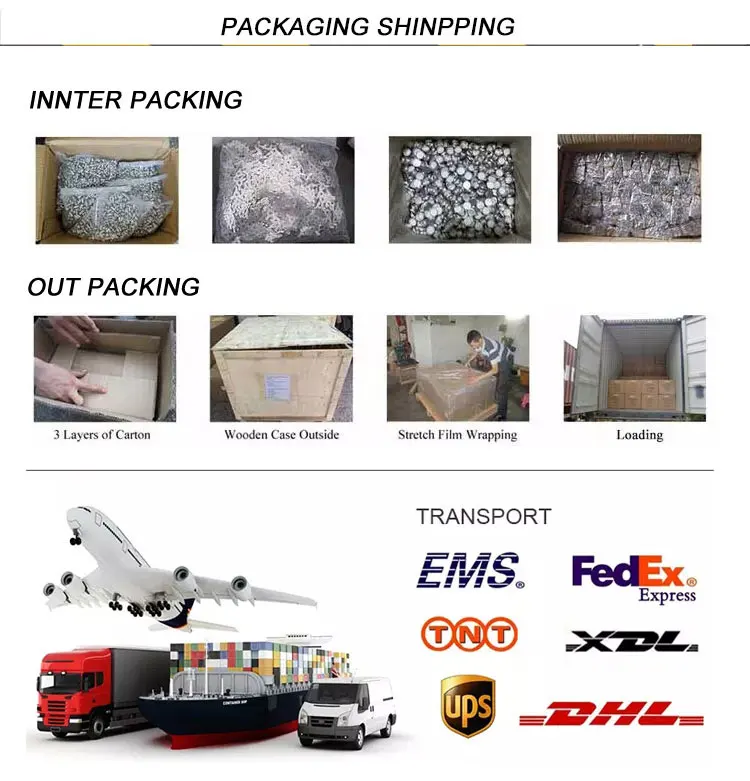
Packaging and Shipping
Certifications


FAQ
As one of the leading carton steel chemical anchor manufacturers in China, we warmly welcome you to buy cheap carton steel chemical anchor made in China here from our factory. All expansion bolt products are with high quality and low price.